Commercial Janitorial Experts
Your facility needs regular sanitation protocols tailored to specific risks, processing volumes, allergen management, and inspection schedules, including verifiable documentation confirming HACCP requirements, inspection compliance, and public health regulations. The details below provide details about essential cleaning protocols.
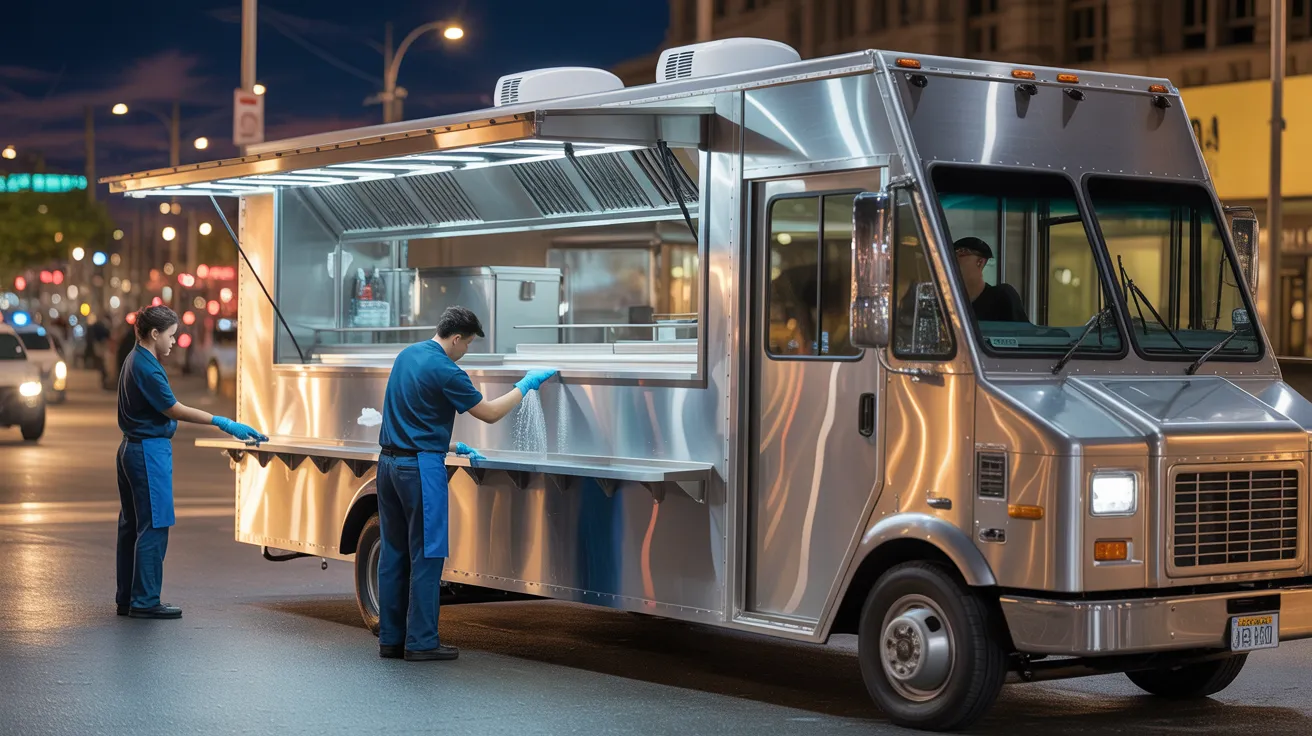
Key Takeaways
- Brampton food safety cleaning experts service restaurants, grocery departments, commissaries, warehouses, bakeries, schools, mobile vendors, and allergen-sensitive operations.
- Sectional methods sanitize frequently contacted areas, food-contact equipment, kitchens, floors, drains, restrooms, and storage areas for reducing cross-contamination.
- Filing of conclusion through checks, assessments, and correction logs ensures certified providers have verified proper chemical concentration, suitability, and contact time.
- Maintenance timelines must adhere to threat, production rate, transitions, spills, and standards, with regular, weekly, and seasonal tasks distributed by location.
- Emphasize suppliers showing hazard analysis knowledge, health regulatory competency, WHMIS instruction, liability, credentials, color-categorized implements, and assessment-ready hygiene paperwork.
Which Brampton Operations Need Food Safety Cleaning?
Food safety cleaning is essential for any Brampton facility that deals with, keeps, prepares, packages, or provides food. Apply it to your establishment if it falls within health oversight, food standards, or HACCP systems. This includes food service venues, employee dining, supply facilities, retail sections, butcheries, seafood counters, retail shops, and facility kitchens.
You also need proper hygiene cleaning in supply warehouses, manufacturing facilities, refrigerated storage, bakeries, school feeding programs, reception facilities, and delivery centers. Mobile and temporary operations count too, including catering vehicles, market vendors, and seasonal stalls. If your staff process ingredients, portion ready-to-eat items, reheat products, or store allergens, your facility needs established sanitation documentation. In Brampton, food safety isn't discretionary; it's part of regulatory, business, and safety compliance.
What Do Brampton Cleaning Professionals Handle?
Professional cleaning teams specializing in Brampton sanitize touched surfaces, kitchen facilities, ground surfaces, and sanitary facilities in compliance with food safety regulations. Emphasis on these spaces occurs because they pose maximum contamination danger, injury hazards, and possible regulatory violations.
If you grasp what they sanitize, you'll successfully ensure your facility meets all operational and regulatory compliance needs.
Emphasizing High-Touch Surface Cleaning
Skilled Brampton cleaners recognize that high-touch surfaces require sanitizing since these areas accumulate pathogens and debris. You require a scheduling system for disinfecting all high-touch items including handles, plates, switches, railings, control surfaces, POS systems, and refrigeration equipment. Implementing area assessment techniques, specialists identify every frequently handled area and set cleaning timing
validate that cleaning was successful
Kitchens, Floors, and Restrooms
Brampton cleaning professionals will address kitchens, floors, and restrooms since each space presents separate food safety concerns, injury, and community health challenges. In industrial kitchens, you need degreasing on cook lines, equipment exteriors, drains, prep surfaces, and splash zones to reduce bacterial growth and pest activity.
Floor care that is documented should also be anticipated. Technicians scrub and extract buildup from grout, tile, and vinyl flooring, then apply proper moisture management so you can reduce slip incidents and meet regulatory standards. They also address entry points where dampness and dirt enter the building.
For restroom sanitation, cleaners sanitize touchpoints, fixtures, partitions, dispensers, and waste containers, then refill items and eliminate smells. They also service restaurant moprooms, where chemical storage, sink hygiene, and drainage conditions can affect sanitation compliance and staff safety daily.
The Importance of Food Safety Cleaning in Brampton
Brampton businesses need to implement food-safe cleaning standards for meeting legal standards and obtaining approval. You also minimize cross-contamination by cleaning and sanitizing food-contact surfaces, equipment, and high-touch areas correctly. Most importantly, you safeguard community wellness by reducing the chance of food poisoning in your establishment.
Food Safety Regulations
Since Brampton food operations must follow rigorous sanitary regulations, your hygiene maintenance directly affects your capability to fulfill health codes, protect diners, and sidestep regulatory penalties. You must maintain clean food preparation areas, written maintenance records, proper chemical use, and traceable training practices that comply with municipal and provincial inspection expectations.
When inspectors review your operation, they check whether your cleaning procedures supports safe storage, machinery hygiene, garbage disposal, and restroom sanitation.
Contamination Management
Adhering to health code standards requires your expertise in stopping cross-contamination throughout daily food handling and cleaning. You need to separate raw ingredients from ready-to-eat foods, sanitize work stations after each task, and keep chemicals away from food-contact items. Structured procedures reduce transfer risks and ensure consistent compliance during inspections.
You should implement allergen segregation to prevent major allergens from touching common work areas, storage bins, or tools. Employ separate boards, labeled implements, and careful equipment identification so staff don't mix items throughout cooking or serving. Require handwashing after handling uncooked proteins, shellfish, egg items, or allergen products. Replace wiping cloths regularly, and verify sanitizer strength with test strips. When staff members receive training on these procedures every shift, you create a cleaner, safer operation that meets Brampton's food safety expectations daily.
Community Health Protection
Should food safety cleaning break, you don't simply encounter inspection problems—you increase the potential of foodborne illness impacting customers, staff, and the wider Brampton community. You also weaken your role in protecting public health, especially in busy food facilities where contamination can spread quickly through surfaces, equipment, and touchpoints.
You need sanitation procedures that eliminate contaminants, disinfect properly, and confirm effectiveness. That means following contact times, using approved disinfectants, recording cleaning times, and educating employees to meet regulatory standards. These controls support pathogen reduction by reducing pathogens before they reach food or hands. In Brampton, rigorous cleaning shields at-risk groups, prevents disease spread, and enables you to show due diligence. When you maintain proper standards, you exceed basic requirements—you actively reduce risk and support safer food service citywide.
How Does Cleaning Support Food Safety Compliance?
Adopting thorough cleaning protocols secures food safety compliance by lowering contamination exposure, managing pathogen expansion, and maintaining your facility's adherence to sanitation requirements under HACCP-based programs and public health regulations. You verify that food-handling surfaces appear visibly clean and microbiologically controlled, facilitating documented preventive controls and inspection readiness.
Effective cleaning also reinforces allergen management by removing residues that can lead to undeclared allergen exposure. by eliminating residues that can trigger undeclared allergen exposure.
When Ought You Plan Commercial Cleaning?
cleaning routines or between shifts wherever surfaces contacting food, bathroom facilities, and high-contact zones
Seasonal deep cleaning should be scheduled for shutdowns, weather-related soil buildup, or pest-pressure periods
Selecting the Right Brampton Cleaning Experts: Key Considerations
Begin by evaluating providers based on sanitation compliance standards—not solely on budget. You should confirm that each organization comprehends CFIA, public health, and HACCP-based requirements applicable to your facility. Request insurance certificates, WHMIS compliance, staff training documentation, and oversight procedures. Assess whether technicians recognize cross-contamination risks, chemical handling protocols, and verifiable sanitation records.
You should also assess operational reliability learn the facts and accountability. Request references from food facilities in Brampton, then examine turnaround periods, corrective-action procedures, and communication standards. Confirm the company participates in supplier audits and can present inspection-ready documentation when regulators or third parties request evidence. Check whether equipment is maintained is performed, colour-coded tools are used appropriately, and facility-specific risks are recognized. A competent service protects compliance, product quality, and your brand reputation.
What does a Food Safety Cleaning Plan encompass?
Write out a framework that defines every sanitation task, standard, and responsibility before starting production. You should record cleaning frequencies, approved chemicals, dilution rates, contact times, tools, and verification methods for each zone, surface, and piece of equipment. Remember to add pre-operational inspections, corrective actions, and employee training requirements.
Your strategy should also address cross-contamination controls, waste handling, pest-prevention measures, and documented schedules for restrooms, drains, floors, and food-contact areas. Specify how you'll separate raw and ready-to-eat processes, support ingredient tracking, and maintain accurate allergen labeling through validated cleaning between product changes. You should establish accountability, keep signed records, and evaluate results against regulatory standards, HACCP controls, and customer requirements. When gaps appear, modify procedures immediately and instruct staff.
Frequently Posed Questions about the Plan
Are cleaning services available for nighttime operations in Brampton properties?
Yes, you can contract sanitation providers to manage nighttime operations in Brampton facilities. You'll arrange nighttime cleaning around production schedules, security controls, and staffing levels. Services typically outline overnight procedures to minimize interruption, copyright compliance, and document finished tasks. You should confirm timeframes, oversight, lockout protocols, and waste management before service starts.
Are hazard containment services available from Brampton cleaning experts?
Yes, you can discover many Brampton cleaning professionals providing spill response services. They manage contamination, assess dangers, isolate contamination, and begin swift decontamination to reduce risk and avoid operational impact. You should verify response rates, credentials, PPE measures, and disposal methods. If your facility must meet compliance standards, pick a provider that tracks incidents, adheres to standards, and supports verification.
Are environmentally safe disinfectants safe for food preparation areas?
Definitely, plant-based sanitizers perform safely on food preparation areas if you buy products labeled food safe that comply with regulatory requirements. You should check contact times, dilution ratios, and rinse procedures in advance of use. Botanical formulations decrease chemical hazards, but you require confirmation of performance against specific pathogens. To preserve residue-free areas, adhere to exact manufacturer guidelines and verify your sanitizer meets relevant food safety standards.
Do cleaning plans enable seasonal production changes?
Absolutely, cleaning plans allow customization for seasonal shifts. Adapt schedules, labor allocation, chemicals, and testing procedures to fit production rhythms while upholding regulatory compliance. Minimize equipment downtime through planning disinfection during line changes, maximum output, and usage cycles. Additionally update standard operating procedures, training, and environmental testing to reflect temporary risks, additional allergens, or elevated soil levels. Periodic assessments maintain your program effective.
Do commercial cleaners educate employees on sanitation best practices?
Certainly, commercial cleaners coach your employees on hygiene protocols. You obtain employee development on correct chemical practices, processing times, cross-contamination prevention, machine disassembly, and documentation procedures. They typically align coaching with HACCP, GMP, and CFIA or regional health bodies requirements. Many also run sanitation audits to check standards, uncover shortcomings, and strengthen corrective measures. This enables you to maintain consistent procedures, pass inspections, and minimize foodborne pathogen risks daily.
Closing Remarks
By partnering with Brampton commercial cleaning and food safety experts, you aren't simply tidying—you maintain your facility compliance-focused and your standards up to code. From production areas to kitchen zones, every sanitized surface and organized space reduces pest risk and prevents costly issues. By scheduling cleanings at appropriate intervals and following a documented cleaning plan, you secure your team, customers, and your standing. In a strictly regulated industry, hygienic conditions are mandatory—they're key to business compliance.